general contractor, done properly
Tuscaloosa General Contractor Portfolio
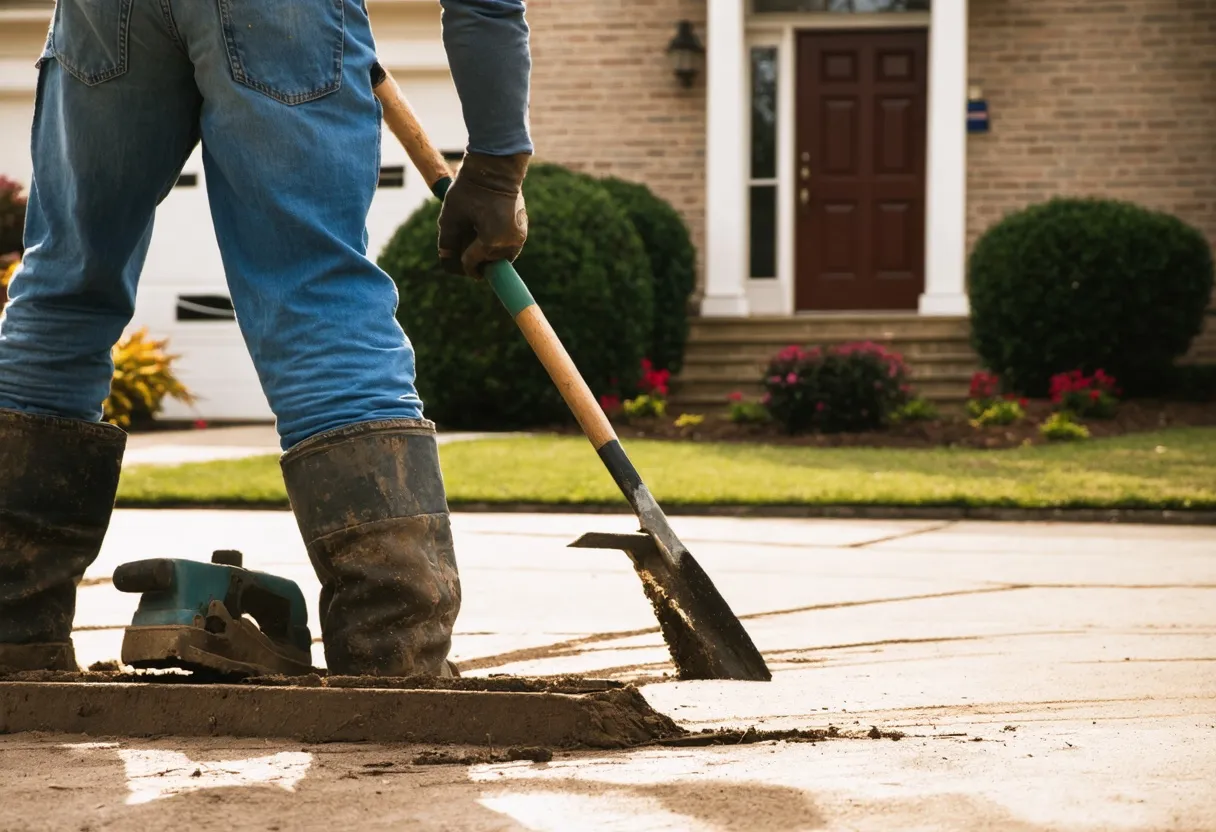
General Contractor Tuscaloosa built this portfolio page so homeowners across Tuscaloosa, Northport, and Cottondale can see exactly what a project looks like from first estimate to final walkthrough before they ever sign a contract. Every job pictured and described here reflects our core promise: warranty-backed craftsmanship, project management that's ready to step in the moment an insurance claim is involved, and financing options that are published up front instead of buried in a sales call. If you're comparing general contractors in Tuscaloosa County, this page is meant to answer the questions a portfolio alone can't — how we work, what things cost, and what happens after the crew leaves.
Why This Portfolio Exists
Most contractor websites show a gallery of pretty finished rooms and stop there. That's not enough information to hire someone with confidence. A photo tells you a kitchen has quartz countertops; it doesn't tell you whether the contractor pulled permits, how change orders were handled, or what the warranty actually covers once you're living in the space. We built this page around the questions we hear most from Tuscaloosa homeowners during consultations, so you can do real due diligence before you commit.
Our work spans kitchen remodeling, bathroom renovations, home additions, and full custom home builds, plus a significant volume of insurance-claim restoration work after storm, fire, and water damage. That mix matters: a contractor who only does cosmetic remodels usually isn't set up to manage an adjuster, a scope-of-loss document, and a structural repair at the same time. We are.
Service Area: Tuscaloosa, Northport, and Cottondale
We take on projects throughout Tuscaloosa County, with the bulk of our current work concentrated in three communities:
- Tuscaloosa — the core of our service area, covering everything from historic-neighborhood renovations to new construction on the city's growing edges.
- Northport — just across the river, where we regularly handle additions and remodels on both older riverside homes and newer subdivisions.
- Cottondale — where larger lot sizes make home additions and detached structures some of the most common requests we get.
Because our crews and subcontractor relationships are based locally rather than dispatched from out of town, scheduling stays tighter and site visits during a build don't add days to your timeline. That matters most during insurance-claim work, when an adjuster, a supplement request, or a material delay can shift a schedule overnight — a contractor who has to drive an hour to check on a job can't respond as fast as one who's already in the county.
What's Actually in the Project Portfolio
Our project gallery isn't limited to kitchens and baths, though those are the most requested categories. When you review our completed work, you're looking at four main project types:
Kitchen Remodels
Layout changes (removing a wall between kitchen and living space is our single most common request), full cabinet and countertop replacement, and appliance-package upgrades. Before-and-after documentation on these projects typically shows the same three phases: demo down to studs or subfloor, rough-in for any relocated plumbing or electrical, and finish work. See our full kitchen remodeling page for scope details and material tiers.
Bathroom Renovations
Everything from a single vanity-and-tile refresh to a full gut-and-reconfigure, including walk-in shower conversions and accessibility modifications for aging-in-place. Our bathroom remodeling page breaks down which upgrades move the needle most on resale value versus daily comfort.
Home Additions
Room additions, second-story build-outs, in-law suites, and garage conversions. This category is where Cottondale and Northport lot sizes give homeowners the most flexibility — see home additions for foundation and permitting considerations specific to older versus newer subdivisions.
Custom Home Construction
Ground-up builds where we manage the process from lot evaluation and site work through final certificate of occupancy. Details on lot selection, floor plan customization, and build timelines are on our custom home construction page.
Every project in the gallery includes before photos, at least one mid-construction photo showing structural or rough-in work (not just staged after shots), and a brief note on scope and approximate timeline. We photograph the ugly middle stages on purpose — it's the best way to show you what's actually happening behind drywall, and it's the stage most competitors skip entirely in their own galleries.
Our Process: Bid-Build, Design-Build, and the 3-Step Path We Recommend
Not every project needs the same contracting method. Understanding the difference up front saves you from picking the wrong one.
Bid-Build
You (or an architect you've hired) finalize plans first, then we — often alongside other contractors — submit a fixed bid against those plans. This works well when scope is already locked, such as a straightforward kitchen layout you've already designed. The tradeoff is less flexibility once bidding starts; changes after the fact become formal change orders.
Design-Build
We handle design and construction under one contract, so the same team that draws the plan is the team that builds it. This is what we recommend for additions and custom homes, because it eliminates the finger-pointing that happens when a separate designer's plan doesn't match field conditions. It also lets us price-check design decisions against real material costs as we go, instead of discovering a budget problem after plans are already finalized.
Our 3-Step Process
- Consultation and scope. We walk the space (or lot), talk through goals and budget range, and — for insurance-claim projects — review the adjuster's scope of loss against what we see in person. You leave this step with a written rough-scope summary, not a verbal impression.
- Design and proposal. For design-build work, we develop layout options and a detailed line-item proposal. For bid-build work, we price against your existing plans. Either way, you get a proposal that separates labor, materials, and allowances so you can see exactly where your money is going.
- Construction and closeout. Scheduled work with regular check-ins, documented change orders (nothing verbal), a final walkthrough punch list, and warranty paperwork handed over at completion — not mailed later.
What Drives Project Cost in Tuscaloosa
We publish broad pricing tiers rather than a single number because two "kitchen remodels" can differ by tens of thousands of dollars depending on scope. In general terms:
- Cosmetic-tier projects (refacing cabinets, new countertops and fixtures, no layout change) sit at the lower end of the range and move fastest, often finishing in a few weeks.
- Mid-tier remodels (full gut of a kitchen or bath, some plumbing/electrical relocation, new layout within the existing footprint) represent the bulk of our work and typically run several weeks to a couple months.
- Full-scope projects (additions, structural changes, custom home construction) carry the widest range because they depend heavily on square footage, foundation type, and finish selections, and typically run from a few months to the better part of a year.
Beyond project type, the biggest cost drivers we see locally are: structural or foundation surprises once walls or flooring come up (more common in older Tuscaloosa and Northport homes), permit and inspection timelines through the county, material lead times on custom cabinetry or specialty fixtures, and — for insurance work — how quickly a claim's scope of loss gets approved and supplemented if hidden damage is found. We build allowances into proposals specifically so a mid-project surprise doesn't blow up your budget without a conversation first.
We also publish financing options rather than only discussing them if you ask. Homeowner financing and phased-payment structures are available for larger remodels and additions, and for insurance-claim projects we work directly against the insurer's payment schedule (initial ACV payment, supplement, and depreciation release) so you're not carrying the full cost out of pocket while a claim is still processing.
Insurance Claims: Where Project Management Actually Matters
Storm and water damage claims fail more often because of poor project coordination than because of poor construction. A typical insurance-claim job on our end involves three moving parts at once: the adjuster's scope of loss, the actual repair scope once we open up the damaged area, and your own timeline for getting back into a livable home. We manage all three together rather than treating the repair as a separate job that happens after the "insurance part" is settled.
In practice, that means documenting damage thoroughly before demo starts, matching our repair estimate line-by-line against the adjuster's scope so any gap gets flagged as a supplement request immediately rather than after work is already underway, and keeping you looped in on approval status instead of leaving you to relay messages between us and the insurance company. For the full breakdown of how we handle storm, fire, and water-damage restoration specifically, visit our insurance claims and restoration page.
Design Services
Design-build projects include layout planning, material and finish selection guidance, and — for additions and custom builds — coordination with any structural or engineering review the county requires. We're not a stand-alone architecture firm, and we'll tell you plainly if a project's complexity calls for an outside architect or structural engineer; in those cases we coordinate directly with them so plans and field conditions stay in sync, which is one of the main advantages of design-build over hiring designer and builder separately.
How to Read Contractor Reviews Before You Hire
If you're searching for Tuscaloosa contractor reviews as part of your research, here's what's worth paying attention to beyond the star rating. Look for reviews that mention specific project types similar to yours — a five-star review for a deck build tells you little about how a contractor handles a kitchen's plumbing relocation. Look for how a contractor is described handling problems, not just outcomes; every remodel hits at least one unexpected issue, and the reviews that matter are the ones describing how it was communicated and resolved. And for insurance-claim work specifically, look for any mention of how the contractor dealt directly with the insurance company, since that's the piece most general contractors have little practice with. We'd rather you read reviews critically and ask us for references on a project similar to yours than take any single review at face value — including ours.
Why Hire a Local Tuscaloosa General Contractor
A contractor based in Tuscaloosa County understands things an out-of-area company has to learn on your dime: how older neighborhoods near the university were framed and plumbed, how quickly Northport's building department turns around permit reviews compared to the city, and what soil and drainage conditions to expect on a Cottondale lot before foundation work starts. Local presence also means we're still reachable a year after your warranty starts — not a national franchise crew that finished your job and moved to the next metro.
Common Mistakes Homeowners Make When Hiring a Contractor
- Comparing bids without comparing scope. A lower number often means allowances were cut or a phase (like permitting or debris removal) was left off entirely.
- Skipping the warranty conversation. Ask exactly what's covered, for how long, and who to call — before signing, not after something fails.
- Treating insurance-claim repairs like a normal remodel. Choosing finishes before the scope of loss is approved can create a mismatch between what the insurer will pay for and what you've already selected.
- Not asking about change-order process. Verbal "sure, we can add that" agreements are how budgets quietly balloon; get every change in writing with a price attached.
- Ignoring financing terms until the end. Ask about payment schedules and financing options during the proposal stage, not after work has started.
Frequently Asked Questions
Do you work in Northport and Cottondale, or just Tuscaloosa?
All three. We take on projects throughout Tuscaloosa County, and our crews and scheduling are structured so a Northport or Cottondale job gets the same response time as one inside Tuscaloosa city limits.
What's the difference between bid-build and design-build, and which do I need?
Bid-build works when your plans are already finalized and you want a fixed price against them. Design-build combines design and construction under one contract, which we recommend for additions and custom homes because it keeps the design team and build team accountable to the same budget and timeline.
Can you work directly with my insurance company on a claim?
Yes. We document damage, compare our repair estimate against the adjuster's scope of loss, and file supplement requests when hidden damage is found, so you're not the only one relaying information between the insurer and the job site.
How do your pricing tiers work if I don't know my exact scope yet?
That's normal — most homeowners start with a budget range, not a finalized scope. Our consultation step is built around narrowing a broad tier (cosmetic, mid-tier, or full-scope) into a detailed line-item proposal once we've walked the space and talked through priorities.
What financing options are actually available?
We offer phased-payment structures for larger remodels and additions, and for insurance-claim projects we coordinate work against the insurer's own payment schedule so out-of-pocket exposure stays limited while a claim is processing. Specific terms are discussed during the proposal stage so they're tailored to your project size.
What does the warranty actually cover?
Warranty terms are provided in writing at project closeout and cover workmanship on the completed scope. We review exactly what's included and for how long during the final walkthrough, so there's no ambiguity once you're living in the finished space.
Get a Written Quote
No pressure, no obligation — just a clear scope and price in writing.
More general contractor services
Ready to Get Your Project Scoped?
Tell us what you're working on and we'll put together a written quote.